„WE HAVE HAD 56 YEARS TO PREPARE FOR A WORLD WHERE WORK ISN’T THE PRICE OF EXISTING. WE INVENTED FUCKING TEAMS MEETINGS.
In 1970, Buckminster Fuller was already arguing that technology was making huge amounts of human labour unnecessary, and that instead of seeing this as progress, society would keep inventing jobs because we had built an entire economic and moral system around the idea that everybody must “earn a living”. That was fifty-six years ago. Before personal computers sat on every desk, before the internet, before smartphones, before warehouses full of robots, before algorithms decided what you watched, what you bought and whether your CV ever reached an actual human being. Long before AI could write code, analyse documents, answer customers, translate languages and churn out the sort of corporate waffle that used to require three managers, a consultant and an away day in Swindon.
The interesting thing is that Fuller was not really talking about technology. He was talking about us. The technology was always going to get better, and the difficult bit was whether human beings could cope with no longer needing everybody to spend most of their waking life doing paid work.
Judging by the last fifty-six years, the answer so far has been: absolutely fucking not.
🏢 THE MACHINE HAS FINALLY WALKED UPSTAIRS
For most of my life, automation was considered marvellous when it happened to somebody else. A machine replaced people on a production line and we called it efficiency. Supermarkets installed self-checkouts and called it innovation. Warehouses automated picking and packing and investors got excited about productivity. The people being displaced were usually described as needing to “reskill”, which is one of those wonderfully tidy phrases that sounds much better in a government report than it does when you are fifty-four, your factory has shut and somebody suggests perhaps you could learn Python.
Now the machine has wandered out of the warehouse, got in the lift, and arrived on the floor where everyone wears a lanyard. AI can already do pieces of legal work, accounts, coding, administration, marketing, research, customer service, design, translation and analysis, and it does not need to replace an entire profession to change the economics of that profession. If five people used to produce the output and one person with decent AI tools can eventually produce most of it, nobody in Finance is going to say, “Keep paying all five, we enjoy hearing them laugh near the photocopier.”
That is what productivity gains do.
💷 SO WHERE DOES THE FUCKING MONEY GO?
Our economic system has a fairly important dependency that nobody talks about much, which is that people need wages to buy things. You can build the most beautifully automated economy in human history. Robots manufacture everything, algorithms run the logistics, autonomous vehicles deliver it, and AI personally writes every customer a lovely email thanking them for their order. But eventually you require a customer with some money.
If technology keeps increasing production while reducing the paid human labour required to create it, then sooner or later the mechanism by which ordinary people get purchasing power has to change. Otherwise we end up with a magnificent automated abundance economy where nobody can afford the fucking abundance. That is not left wing or right wing. It is a design problem, and it has been sat there in plain sight since before I left school.
🏦 WHICH IS WHY SOME KIND OF SOCIAL DIVIDEND BECOMES HARD TO AVOID
The minute you mention guaranteed income, somebody immediately pictures twenty million people lying on a sofa smoking weed while a government drone pushes two grand through the letterbox. That is because we are still having a twentieth-century argument about a twenty-first-century problem.
I have no idea what the eventual system will be called. Universal Basic Income has already collected enough political baggage to guarantee that if governments ever introduce something resembling it, they will call it literally anything else. The Citizen Productivity Dividend. National Economic Participation Payment. Universal Resilience Credit. Some magnificent pile of beige civil service language designed to ensure nobody understands what the fuck has actually changed.
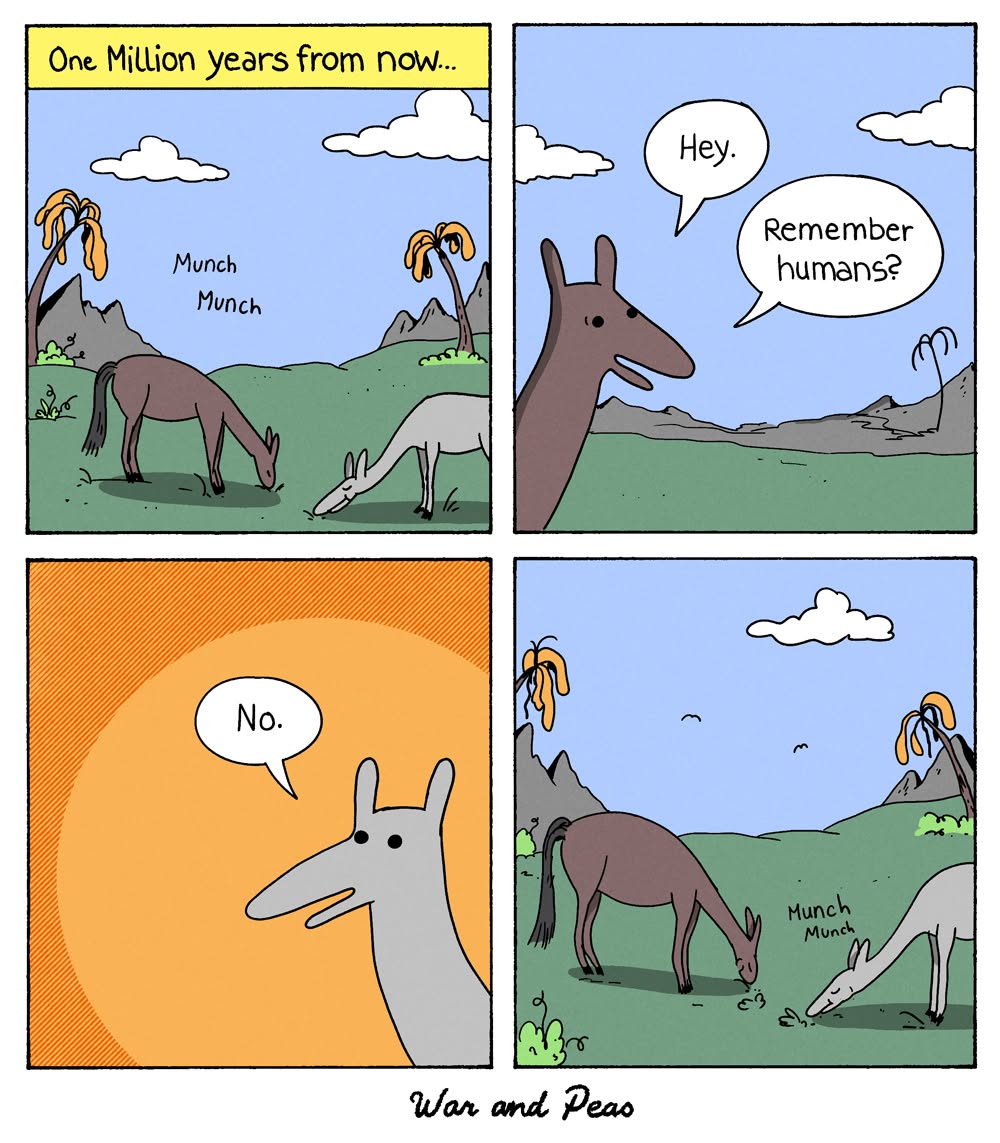
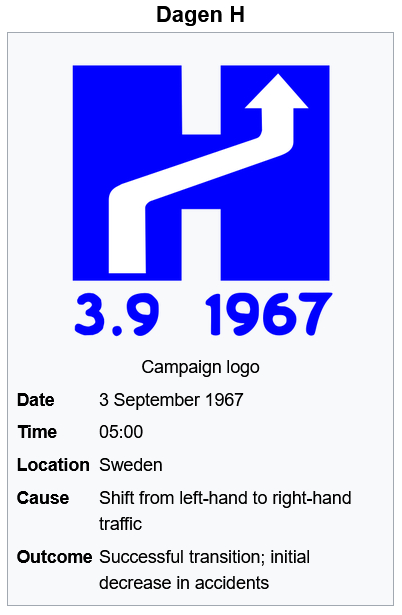
The name does not matter. The principle does. If machines and AI create a greater share of economic value while human labour creates a smaller share, then some of that value eventually has to circulate back to human beings through something other than wages. Maybe that is a citizen’s dividend, maybe negative income tax, maybe a shorter week backed by productivity gains, maybe national investment funds owning shares in automated industries and paying out the returns, maybe tax simply moves off labour and onto capital, land, resources and automated production. It probably will not be one neat system, because humans could not even agree on which side of the road to drive on.
📉 WAIT UNTIL IT HITS THE MIDDLE CLASSES
If you want to know when governments suddenly become enthusiastic about all this, do not wait for a philosophical breakthrough. When somebody loses a warehouse job, we talk about retraining. When entire layers of accountants, administrators, junior lawyers, project managers and analysts discover that one person with an AI system can do most of what their department used to do, the phrase “structural economic transition” will be on the BBC before breakfast.
Nothing accelerates political imagination quite like people with mortgages suddenly becoming the people that policy used to be about.
🧠 THE HARD BIT WILL NOT BE THE MONEY
I think we could build the payment mechanisms tomorrow. We already move pensions, wages, tax refunds and benefits electronically, and countries already run enormous taxation and redistribution systems, so getting money into accounts is not the difficult part. The difficult part is what happens inside people when employment stops being the centre of life, because we have spent generations confusing work with worth.
Meet somebody at a party and within five minutes it arrives. So what do you do? We all know what that means. Not what do you enjoy, not what are you fascinated by, not who depends on you, not what have you learned lately, not whether you are a decent father, daughter, neighbour or friend. What job do you have. We teach children the same thing before they can tie a lace, because “what do you want to be when you grow up” expects a profession, and apparently happy, useful, strong, curious and surrounded by people you love is not sufficiently ambitious unless you can put it on LinkedIn.
🧾 WE MISTOOK THE SPREADSHEET FOR REALITY
Human beings do need purpose. Challenge, responsibility, belonging, the feeling that something would be worse if we did not turn up. None of those things inherently require a payroll department. Caring for an elderly parent has purpose. Raising kids properly has purpose. Mentoring somebody has purpose, and so does growing food, fixing things, volunteering, making music, teaching, learning, looking after your health and being useful where you actually live. We have just spent a very long time pretending activity only becomes valuable once somebody puts a salary next to it, which produces some wonderfully absurd outcomes.
Pay somebody else to look after your child and that is measurable economic activity. Look after your own child and apparently you have contributed fuck all to GDP. Pay a care company thousands to help an elderly relative and somebody has a business model, but give up your own job to care for the same person and society starts checking whether you are genuinely entitled to eighty-odd quid.
That is not a measurement of human value. It is an accounting convention.
⏳ GEN X WERE PROMISED THE FUTURE. WE GOT EMAIL.
This is the part that properly takes the piss. When we were kids, technology was always sold as the thing that would save us time. The robots would do the boring jobs, computers would make offices efficient, automation would shorten the working week, and the future involved leisure. What actually happened is that every time technology saved an hour, somebody found another hour of work to stuff in the gap. A report that took all morning could now be done in twenty minutes, so instead of going home early you produced six reports. Word processors made writing faster, so we wrote more documents. Email made communication instant, so every human being had to be permanently available to discuss things that could have waited until Thursday. Then smartphones arrived and we finally achieved mankind’s ancient dream of being contactable by work while having a shit.
That was the productivity dividend Gen X got. A red notification bubble at 9:47pm.
We never once asked whether the reward for producing twice as much in half the time might occasionally be getting some of our fucking life back. We just raised the target.
🤖 AI MAKES THAT QUESTION HARDER TO DODGE
Because this may not be another ten per cent efficiency gain. If the technology develops anywhere near what is currently being predicted, we could be talking about enormous amounts of cognitive and physical labour becoming optional, and at that point we have a choice. Either we use that productivity to reduce how much compulsory work human beings have to do, or we invent an entire new layer of pointless activity so everybody can carry on demonstrating their moral worth between nine and five.
Knowing us, there will absolutely be a consultancy specialising in the second option. Two and a half grand a day to help organisations design Meaningful Human Workstreams after the AI has finished all the actual work by eleven. Buckminster Fuller would fucking love it.
🗓️ SO WHEN DOES THIS ACTUALLY CHANGE?
My guess is the 2030s, where the argument stops being something for economists and futurists and starts landing in ordinary households. Not because there is a magic date when AI takes everyone’s job, but because once enough industries find they can produce far more with far fewer people, governments get forced to deal with the knock-on effects. It will happen messily rather than being announced from Geneva, with different countries building different versions, some guaranteeing an income floor, some building productivity dividends, some cutting the working week, some redesigning benefits entirely.
The more important change happens before any of that, though. The moment society accepts that paid employment and the right to exist are not the same thing, the whole argument has already shifted, and perhaps that is what Fuller understood in 1970. Technology was never merely going to change how we work. Eventually it was going to force us to ask why we work in the first place.
If the answer is purpose, humans will find purpose. If the answer is contribution, there are a thousand ways to contribute. If the answer is “because otherwise you are not allowed enough money to eat”, then we may find that what we thought was a timeless law of civilisation was just an economic system whose software needed an update.
❓ SO HERE IS THE UNCOMFORTABLE BANK HOLIDAY QUESTION
You have got a day off today, and most of the country has too. Notice how quickly a free day starts to feel like something you have to justify to somebody.
If AI and robotics eventually let society produce everything we genuinely need using half the human labour we use now, what should we actually do with the time? Work half as much, care more, create more, learn things purely because they interest us, actually know our neighbours, spend time with our kids before they turn into adults? Walk, cook, build, travel, volunteer, make things, break them, fix them again, and generally remember that being alive was supposed to involve something other than completing tasks for somebody else?
Or will we do what we have done for fifty-six years and invent another enormous pile of bullshit jobs, because the thought of somebody having enough money and an afternoon to themselves still genuinely offends us?
Buckminster Fuller asked the question in 1970. AI may finally force us to fucking answer it.
Pick up the wrench. 🔧“